Wind Repowering Is Becoming the Quiet Growth Market
The next important wind market may not look like a spectacular new offshore project or a record-sized turbine order. It may look like a familiar wind farm, already connected to the grid, receiving a second life through better machines, stronger foundations, upgraded controls and new operating contracts. Wind repowering is easy to overlook because it is less dramatic than greenfield development. Yet for mature renewable markets, it can become one of the most practical ways to expand clean electricity without reopening every argument about land use, grid routes and community acceptance.
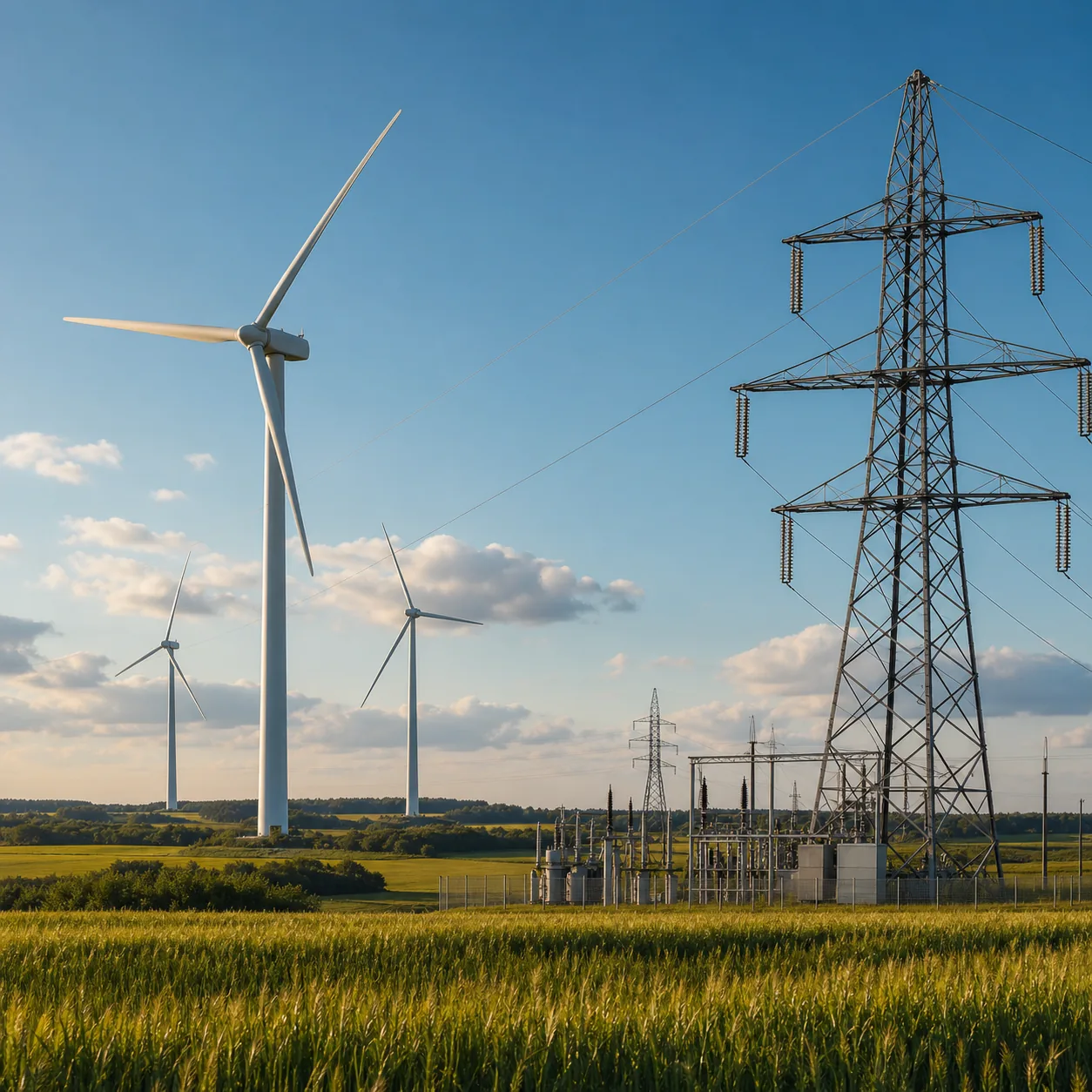
Repowering matters because the first generation of commercial wind assets is aging. Many sites built during earlier policy cycles still have good wind resources, existing roads and established grid connections. Their turbines, however, may be smaller, less efficient and more maintenance-intensive than current technology. Replacing old turbines with fewer, taller and more productive machines can increase annual generation even when the physical footprint remains broadly similar. In some cases, the project can also reduce operating costs because newer turbines have better monitoring systems and lower unplanned downtime.
The strongest case for repowering is not only technical. It is institutional. A project that already has a grid connection, local tax history and known environmental record begins from a different position than a new site. Developers may still need permits, public consultation and updated studies, but the baseline is clearer. Utilities and grid operators also know the asset. That can reduce uncertainty in markets where interconnection queues are long and new transmission is difficult to build quickly.
The hard part is that repowering is rarely automatic. Larger turbines can change visual impact, aviation assessments, shadow flicker, wildlife risk and noise profiles. Existing power purchase agreements may not fit the new operating life. Land leases may need renegotiation. Communities that accepted one generation of equipment may not support a much taller replacement unless the economic benefits are visible and local. A repowering strategy that treats the old project as a permit shortcut can lose trust quickly.
Financing also requires care. A repowered wind farm may have better output, but lenders will ask whether the new equipment, grid rights and revenue contract line up. If wholesale power prices are volatile or curtailment risk is rising, additional capacity alone may not improve bankability. The project may need storage, a corporate buyer, a hedge or grid-service revenue to justify the capital. In this sense, repowering is not only an engineering upgrade; it is a commercial redesign of the asset.
For policymakers, repowering deserves a clearer place in renewable planning. Many support schemes reward new capacity but do not always handle life-extension decisions well. If the rules are unclear, owners may run old turbines longer than is economically efficient or retire sites that could still produce valuable clean power. Clear permitting pathways, fair community benefit models and grid rules that protect legitimate existing rights can make repowering a lower-friction growth channel.
A useful way to evaluate repowering is to compare it with three alternatives: doing nothing, extending the old asset with limited maintenance, or pursuing a completely new wind project elsewhere. Doing nothing may preserve cash in the short term but leaves generation below the site potential and can raise reliability risk as equipment ages. Life extension can be sensible when power prices are weak or permits are uncertain, yet it may lock a good wind resource into outdated technology. A new project may deliver more capacity, but it brings fresh land, grid and permitting risk. Repowering sits between these choices. It uses an existing footprint while still allowing a meaningful performance reset.
Repowering also changes how communities should be engaged. Local residents may reasonably ask why they should accept taller turbines if the original bargain was made years ago under different technology and economic conditions. Developers need to explain not only the climate benefit but also the local benefit: tax revenue, lease payments, community funds, local jobs, road improvements or cheaper local power arrangements where allowed. The discussion should be concrete. Communities rarely object to abstract renewable energy alone; they object when the costs are local and the benefits feel distant. A credible repowering plan makes the distribution of benefits visible before the permit hearing.
One practical metric for repowering is additional megawatt-hours per unit of new disruption. A project that doubles output while using familiar access roads and an existing interconnection has a different social and grid profile from a new project that starts from zero. Developers should publish that comparison plainly. It helps regulators and communities see why the old site deserves renewed attention rather than treating the upgrade as just another application in a crowded queue.
Repowering will not replace new wind development. Some regions need fresh projects in stronger resource areas, and offshore wind remains a separate strategic market. But repowering can deliver additional clean electricity from sites that already have a history. In a transition increasingly constrained by land, grid access and public tolerance, that is valuable. The quiet growth market is not quiet because it is small. It is quiet because it asks the industry to improve what it already owns before promising what it has not yet built.